About This Course
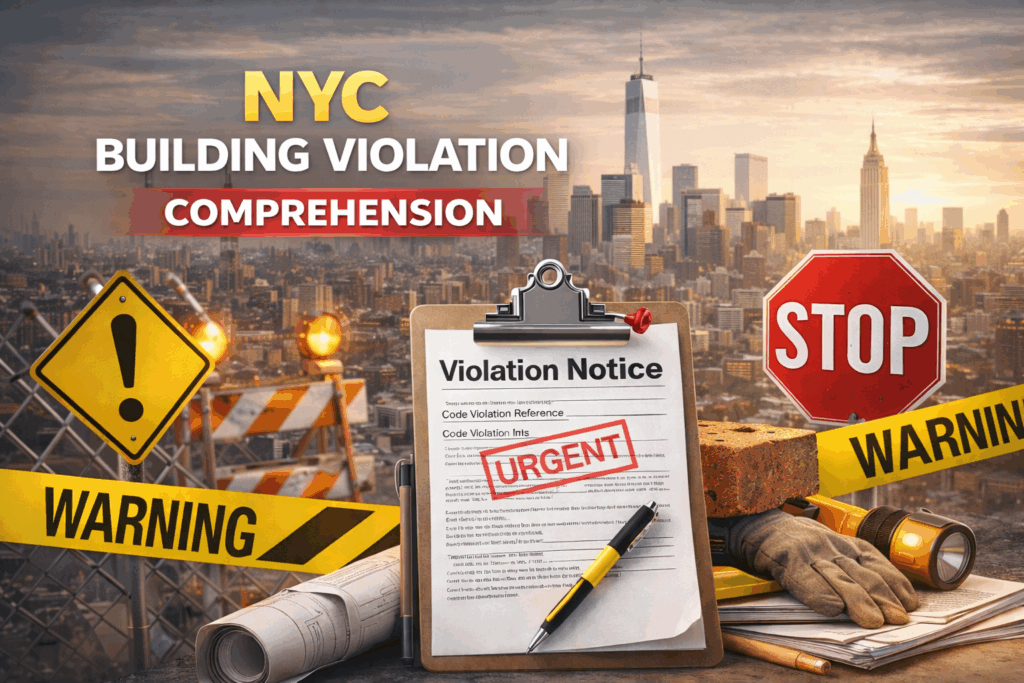
In this course you will learn how to comprehend the following building violations from NYC code enforcement agencies; NYC Department of Buildings (DOB), NYC Environmental Control Board (ECB), NYC Fire Department Code Enforcement (FDNY), NYC Department of Department of Health (DOH), NYC Department of Environmental Protection (DEP). Please refer to the highlighted portion of each violation. Keep in mind. These same violations can lower the property value of any building or home. Having this knowledge and knowing how to remove building violations, helps the property owner keep a clean property title and maintenance property value.
How does building violation comprehension in NYC benefit your resume?
Understanding building violations in New York City is an extremely valuable resume skill, especially in property management, facilities operations, compliance, and real estate. NYC has one of the strictest regulatory environments in the country, and employers actively look for people who understand violations from agencies like the New York City Department of Buildings, New York City Fire Department, New York City Department of Housing Preservation and Development, and hearings handled by the New York City Office of Administrative Trials and Hearings (OATH).
Here’s exactly how it strengthens your resume:
1. Makes You Immediately More Valuable to Property Management Employers
Most buildings in NYC have violations. Employers need staff who can:
- Read and interpret violation notices
- Identify severity (Class 1, 2, or 3)
- Understand deadlines and penalties
- Track compliance status
This makes you useful from day one.
Employers prefer candidates who understand violations because it reduces risk and liability.
2. Helps Protect Buildings from Fines and Legal Problems
Violations can lead to:
- Thousands of dollars in penalties
- Liens on property
- Legal enforcement actions
- Difficulty selling or refinancing
If you can help resolve violations, you help protect the building financially.
That makes you a valuable asset.
3. Qualifies You for Higher-Level Positions
Violation knowledge is directly relevant to roles such as:
- Property Manager
- Assistant Property Manager
- Building Superintendent
- Compliance Coordinator
- Facilities Manager
- Real Estate Asset Coordinator
These positions pay significantly more than entry-level roles.
4. Shows Specialized Knowledge of NYC Building Codes and Compliance
NYC compliance is complex. Understanding violations shows you know:
- Building systems (boilers, elevators, sprinklers)
- Inspection requirements
- Legal compliance procedures
- Regulatory agencies and enforcement
This demonstrates professional-level knowledge.
5. Helps You Assist with Violation Removal and Compliance
Employers value people who can:
- Look up violations
- Understand correction requirements
- Help coordinate repairs
- Track compliance and closure
This improves building operations.
6. Gives You a Competitive Advantage Over Other Candidates
Most applicants do NOT understand:
- OATH hearing process
- Certification of correction
- Violation classes and penalties
- DOB, FDNY, and HPD enforcement
This makes your resume stand out.
7. Increases Your Long-Term Career Growth Potential
Violation comprehension is foundational knowledge for careers in:
- Property management
- Real estate operations
- Building compliance
- Facilities management
It also helps if you want to become a landlord or building owner.
Example Resume Statements You Can Use
Basic level:
Knowledge of NYC building violations, compliance requirements, and correction procedures involving DOB, FDNY, and HPD regulations.
Intermediate level:
Experienced in reviewing, tracking, and assisting with resolution of NYC building violations, including compliance documentation and correction coordination.
Advanced level:
Skilled in NYC building violation analysis, compliance management, and OATH hearing preparation, including violation lookup, correction certification, and regulatory coordination.
Real Career Impact
This skill can help you move into jobs paying:
- $50,000–$70,000/year (assistant property management)
- $65,000–$120,000/year (property management)
- $70,000–$130,000/year (facilities/compliance management)
Bottom Line
Building violation comprehension is a high-value, specialized skill in NYC. It shows employers you understand compliance, risk management, and building operations—making you far more competitive and promotable.
If you’d like, I can also show you the exact websites and step-by-step process professionals use to look up violations on any NYC building.
Course Curriculum
- Self-Paced Learning
- Full Lifetime Access
- Access on Mobile
- Certificate of Completion